
How to Furnish a Rental Property in London to Attract Professional Tenants
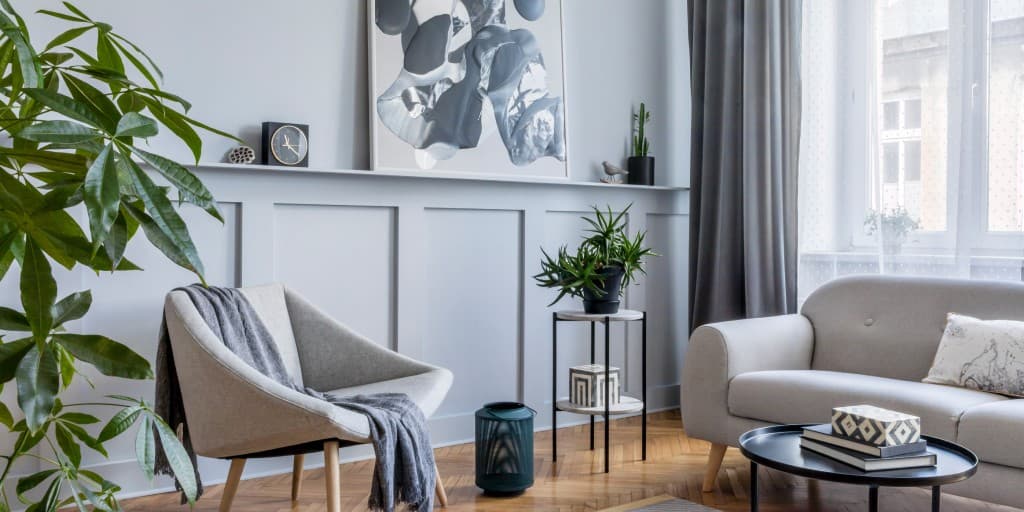
Furnishing a rental property requires more than selecting attractive furniture and filling empty rooms. For London landlords, the right combination of practical furnishings, considered layouts and durable materials can help present a property that meets the expectations of professional tenants while making the most of the available space.
Understanding What Professional Tenants Look for in a Furnished Property
Professional tenants often look for rental accommodation that is comfortable, functional and ready to occupy. Depending on their circumstances, this may include convenient storage, a suitable workspace, comfortable sleeping arrangements and a well-equipped kitchen. Landlords should consider these practical requirements when deciding how to furnish a property, rather than focusing solely on its visual appearance.
Carefully selected home staging furniture can help demonstrate how each room functions and make the property easier to assess during viewings. A well-positioned sofa, appropriately sized dining table and practical bedroom furniture can communicate the potential of the available space. This is particularly important in London, where studio flats and smaller apartments often require thoughtful furniture selection to avoid overcrowding.
The intended tenant profile should influence the specification. A one-bedroom apartment near business districts or transport connections may appeal to professionals looking for convenient, low-maintenance accommodation. A larger property in areas such as Fulham, Hammersmith or Brook Green may attract sharers or professionals seeking additional bedrooms and shared living space. In each case, furniture should reflect how the property is likely to be used.
Landlords should also distinguish between furnished and unfurnished rental strategies. A furnished property generally needs the essential furniture required for everyday living, while an unfurnished property may benefit from a more limited presentation approach. Understanding the requirements of the intended letting market helps avoid unnecessary purchases and ensures the property is prepared appropriately.
Choosing the Right Furniture for Each Room
The living room is often one of the most important spaces to furnish because it needs to accommodate relaxation, entertaining and, increasingly, working from home. A suitably sized sofa, coffee table and occasional seating can establish a practical arrangement without restricting movement. In smaller London apartments, compact sofas and nesting tables may be more appropriate than oversized furniture that dominates the room.
Dining arrangements should also reflect the available floor space. A small dining table with two or four chairs may be sufficient for a one-bedroom flat, while larger properties may accommodate a more substantial dining arrangement. Where the kitchen and living room share an open-plan layout, furniture can help define separate areas without introducing physical barriers.
Bedrooms should prioritise comfort and storage. A suitable bed, bedside tables and wardrobe are useful starting points for a furnished rental. The bed should be proportionate to the room, leaving enough space to move around it and access cupboards or windows. In smaller bedrooms, fitted storage or compact wardrobes may provide a more practical solution than several separate pieces of furniture.
A second bedroom can be particularly valuable in properties aimed at professional tenants. Depending on its dimensions, it could accommodate a single bed, a double bed or a combination of sleeping and working furniture. However, landlords should avoid presenting a small bedroom as a fully functional double bedroom if the furniture leaves insufficient room for comfortable access.
A dedicated workspace can also be a useful addition. A compact desk, comfortable chair and accessible power points can make a room more practical for tenants who occasionally work remotely. Where a separate study is unavailable, a small desk positioned in a suitable corner of the living area or bedroom may provide an alternative without compromising the main layout.
Making the Most of Space Through Layout and Storage
Furniture placement can have as much influence on a property’s usability as the furniture itself. Poorly arranged pieces can make rooms feel smaller, restrict natural light and create awkward circulation routes. Before purchasing anything, landlords should measure each room and consider the position of doors, windows, radiators, sockets and built-in storage.
In compact London properties, multifunctional furniture can help make better use of available space. Storage beds, extendable dining tables and nesting tables provide flexibility without requiring additional floor area. However, these features should be selected according to genuine practical needs rather than added simply because they are multifunctional.
Storage is another important consideration for professional tenants, particularly those staying for longer periods. Wardrobes, drawers and practical hallway storage help provide places for clothing, shoes and everyday belongings. A property with limited built-in storage may benefit from carefully selected freestanding furniture, provided it does not make rooms feel crowded.
The hallway should not be overlooked when planning the furniture specification. A slim shoe cabinet or a small number of coat hooks may be useful where space permits, but narrow entrances should remain clear. Similarly, avoid placing furniture where it obstructs access to balconies, windows or essential fixtures.
Open-plan properties require particular attention to zoning. A rug can help define the living area, while a dining table can establish a separate eating space. These arrangements allow tenants to understand how different activities can take place within one room while maintaining an open and connected layout.
Selecting Durable Materials and a Consistent Interior Style
Rental furniture needs to balance appearance, comfort and durability. Items may experience regular use and occasional changes between tenancies, so landlords should consider construction quality, ease of cleaning and the availability of replacement parts when making purchasing decisions.
For upholstered furniture, hard-wearing fabrics and removable covers can make routine maintenance more manageable. Dining tables with durable surfaces, sturdy bed frames and furniture with straightforward finishes can also be practical choices. In properties with frequent tenant turnover, avoiding delicate materials and easily damaged decorative finishes may reduce the need for repeated replacements.
A consistent interior scheme helps the property feel considered without becoming overly personalised. Neutral colours, simple furniture designs and coordinated finishes can provide a suitable backdrop for different tenant preferences. This does not mean every room needs to look identical. Subtle differences in textiles, artwork and accessories can introduce variety while maintaining an overall connection between the spaces.
Flooring and soft furnishings should also be considered together. Rugs can introduce texture and help define areas, but their size and placement should suit the room. Curtains or blinds should provide appropriate privacy and light control, particularly in ground-floor apartments and properties overlooking neighbouring buildings.
Lighting is another practical part of the furnishing specification. A combination of ceiling lights, bedside lamps and suitable living room lighting can make the property easier to use throughout the day. Landlords should check that all fittings work correctly and that lighting arrangements are appropriate for each room.
Decorative accessories should remain limited. A few carefully selected cushions, framed prints or simple ornaments can help complete the presentation, but tenants should have sufficient space to introduce their own belongings. An overly personalised interior may not appeal to a broad range of prospective renters.
Preparing the Property for Photography and Viewings
Once the furniture has been selected and installed, the property should be reviewed as a complete rental offering. Every room should have a clear purpose, furniture should be arranged to allow comfortable movement and surfaces should be free from unnecessary items.
Professional photography should show the property accurately and communicate its layout. Before the photographer arrives, make beds, arrange cushions, clear kitchen worktops and remove personal belongings. Ensure curtains and blinds are positioned neatly, lights are working and furniture is not blocking important features.
Bathrooms and kitchens require particular attention because prospective tenants will assess their cleanliness and functionality. Clean appliances, clear worktops, tidy cupboards and well-maintained fittings help demonstrate that the property is ready for occupation. Any outstanding repairs should be addressed before viewings rather than concealed through decorative arrangements.
Landlords should also check that the furniture included in the rental agreement is clearly documented. An inventory should record the condition of furniture, appliances and other supplied items at the beginning of the tenancy. This provides a useful reference for both landlords and tenants and helps establish expectations regarding the property’s contents.
Finally, furnishing decisions should complement realistic rental pricing and responsive property management. Attractive interiors may help communicate the property’s suitability, but rental demand also depends on location, transport connections, property condition and the asking rent. Clear communication and convenient viewing arrangements remain important parts of the letting process.
Conclusion
Furnishing a London rental property for professional tenants involves balancing practical requirements with a considered approach to interior presentation. The most effective starting point is to measure each room and prepare a furniture specification based on the intended tenant audience, available space and essential storage requirements. Prioritising comfortable, durable and appropriately sized furniture can help landlords present a property that is functional, well-maintained and ready for its next tenancy.