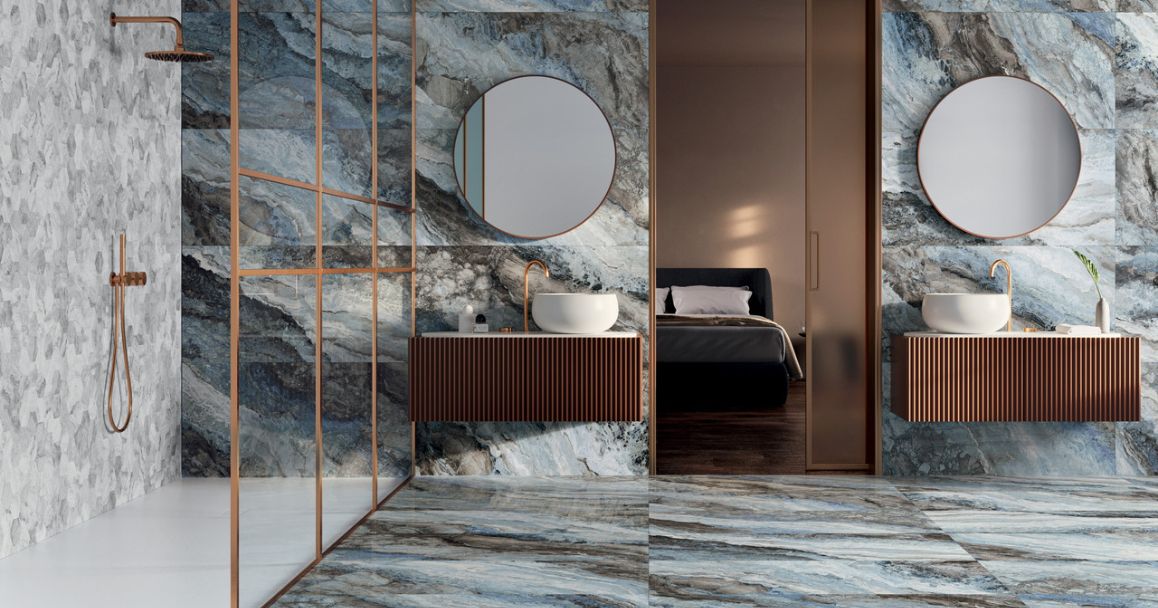
Modern Dwellings: Where Innovation Meets the Art of House Architecture

Introduction & Background
In an era where technology and design converge seamlessly, modern dwellings stand at the forefront of architectural innovation. These homes are not just structures, but living spaces that reflect the dynamic lifestyles and values of contemporary society. The fusion of art and architecture has given rise to dwellings that are both functional and aesthetically captivating, redefining the very essence of home. As urbanization accelerates and environmental concerns grow, the demand for dwellings that balance luxury with sustainability has never been more pressing. This evolution in house architecture is not merely a trend, but a necessary response to the changing needs of homeowners worldwide.
Concept & Overview
Modern dwellings embody a philosophy where innovation serves as the cornerstone of design. At their core, these homes prioritize open floor plans, minimalist aesthetics, and the integration of cutting-edge technologies. The concept goes beyond mere aesthetics, embracing principles of efficiency, sustainability, and adaptability. Architects and designers leverage advanced materials and smart systems to create spaces that are not only visually striking but also energy-efficient and resilient. This approach challenges traditional notions of housing, pushing boundaries to deliver dwellings that are both forward-thinking and deeply rooted in practicality.
Key Features & Highlights
- Smart Integration: Modern dwellings often incorporate smart home technologies, from automated lighting and climate control to security systems. These features enhance convenience, security, and energy management, making daily life smoother and more efficient.
- Sustainable Materials: The use of eco-friendly materials such as recycled steel, bamboo, and reclaimed wood is prevalent. These materials reduce environmental impact while adding unique textures and warmth to the design.
- Open Living Spaces: Open floor plans eliminate unnecessary walls, creating fluid, interconnected spaces that encourage interaction and flexibility. This design choice maximizes natural light and fosters a sense of spaciousness.
- Energy Efficiency: Features like solar panels, high-performance windows, and geothermal heating systems are common. These elements significantly reduce energy consumption and lower utility costs, aligning with global sustainability goals.
- Minimalist Aesthetics: Clean lines, neutral color palettes, and uncluttered interiors define the modern dwelling aesthetic. This minimalist approach not only enhances visual appeal but also promotes mental well-being by reducing visual noise.
- Adaptable Design: Flexible layouts and modular furniture allow homeowners to customize their spaces according to evolving needs. This adaptability ensures that the dwelling remains functional and relevant for years to come.
Frequently Asked Questions / Pros & Cons
What defines a modern dwelling?
A modern dwelling is characterized by its emphasis on innovation, sustainability, and minimalist design. It integrates advanced technologies and eco-friendly materials while prioritizing open, adaptable spaces that cater to contemporary lifestyles.
How do modern dwellings contribute to sustainability?
These homes incorporate energy-efficient systems, sustainable materials, and smart technologies to minimize environmental impact. Features like solar panels and geothermal heating reduce reliance on non-renewable energy sources, while recycled materials lower waste production.
Pros of Modern Dwellings:
- Enhanced energy efficiency reduces utility costs and environmental footprint.
- Smart home technologies offer unparalleled convenience and security.
- Open layouts and minimalist designs promote mental well-being and flexibility.
- Sustainable materials contribute to healthier indoor environments.
Cons of Modern Dwellings:
- Initial construction or renovation costs can be higher due to advanced materials and technologies.
- Some homeowners may find minimalist designs too austere or lacking in warmth.
- Smart home systems require ongoing maintenance and updates to remain functional.
- Adhering to sustainable practices may limit the availability of certain materials or design options.
Practical Guidance & Solutions
For those considering a modern dwelling, the first step is to assess your lifestyle and priorities. If sustainability is a key concern, invest in energy-efficient appliances and renewable energy sources like solar panels. For tech enthusiasts, integrating smart home systems can elevate daily living while also improving security and energy management. When it comes to design, collaborate with architects who specialize in modern aesthetics to ensure your home reflects both your personal taste and the principles of innovation.
Budgeting is crucial, as modern dwellings often require a higher upfront investment. However, the long-term savings from energy efficiency and durability can offset these costs. Additionally, consider the adaptability of the design, opting for modular furniture and flexible layouts that can evolve with your needs. Finally, prioritize quality over quantity, selecting durable materials that will stand the test of time and reduce the need for frequent replacements.
Conclusion
Modern dwellings represent more than just a place to live, they are a testament to the harmonious blend of innovation and artistry in architecture. As we continue to navigate the challenges of urbanization and environmental responsibility, these homes offer a sustainable and stylish solution for the future. By embracing cutting-edge technologies, sustainable practices, and thoughtful design, modern dwellings redefine the very concept of home. They inspire us to reimagine our living spaces not as static structures, but as dynamic environments that evolve with us. In this ever-changing world, the modern dwelling stands as a beacon of progress, elegance, and possibility.