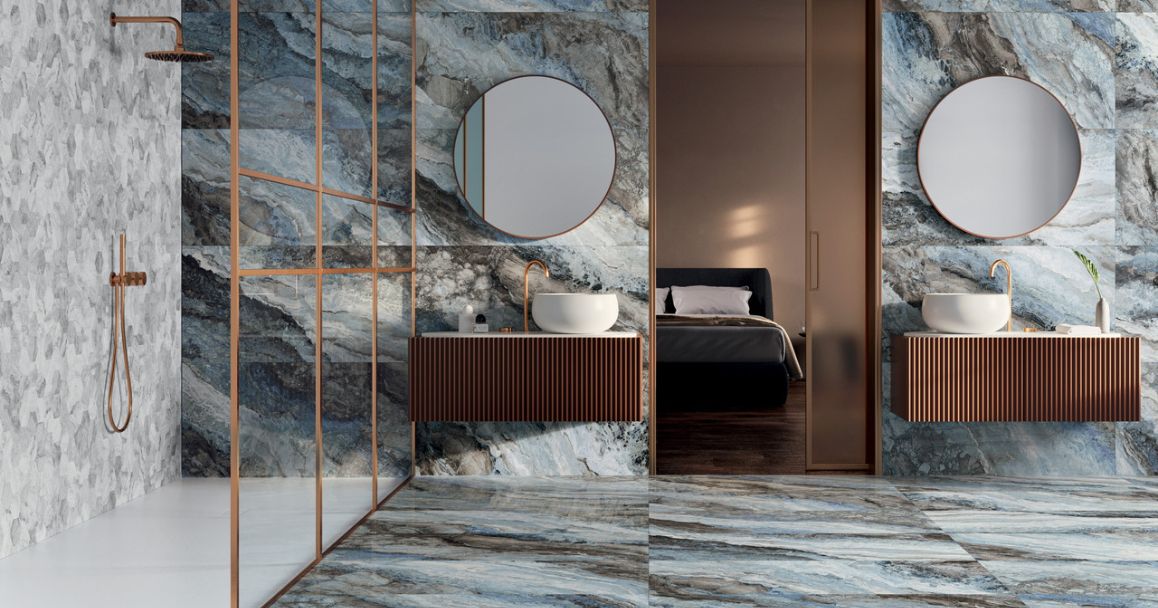
The Art of Living: Crafting Dream Homes Through Timeless Architecture

Introduction & Background
Every individual dreams of a sanctuary where comfort meets elegance, where every corner reflects personal taste and purpose. The art of living transcends mere shelter, evolving into a celebration of life through thoughtfully designed spaces. Timeless architecture stands at the heart of this vision, blending tradition with innovation to create dream homes that endure generations. From the grandeur of historic estates to the simplicity of modern retreats, architecture shapes not just walls and roofs but the very essence of how we experience home.
Throughout history, homes have told stories of cultures, climates, and lifestyles. The Egyptian pyramids, Roman villas, and Japanese machiya homes each represent unique philosophies of living, proving that great architecture is rooted in both function and feeling. Today, as urbanization accelerates and sustainability becomes a priority, the principles of timeless design offer a guiding light. They remind us that beauty need not be fleeting, that durability need not compromise style, and that a home can be both a personal haven and a testament to human ingenuity. In exploring the art of living through architecture, we uncover how spaces can nurture the soul while standing the test of time.
Concept & Overview
Timeless architecture is more than an aesthetic choice, it is a philosophy that prioritizes harmony, functionality, and enduring appeal. At its core, this approach seeks to create homes that resonate deeply with occupants, reflecting their values while adapting seamlessly to changing needs. Unlike trend-driven designs that quickly fade, timeless structures are built on foundational principles that remain relevant across eras. They balance proportion, symmetry, and proportion, drawing inspiration from classical orders yet embracing contemporary innovations.
The concept also emphasizes sustainability and resilience, recognizing that a home must endure not only stylistic shifts but also environmental pressures. Materials like stone, brick, and sustainably sourced wood are favored for their durability and natural beauty. Spaces are designed to flow intuitively, with open layouts that foster connection and privacy zones that offer retreat. Light plays a pivotal role, with windows and skylights strategically placed to harness natural illumination, reducing reliance on artificial sources. Ultimately, timeless architecture is about crafting environments that feel inherently right, where every detail contributes to a sense of belonging and well-being.
Key Features & Highlights
- Sustainable Materials: Use of locally sourced, renewable materials like reclaimed wood, bamboo, and stone that reduce environmental impact and age gracefully.
- Proportion & Symmetry: Emphasis on balanced proportions and symmetrical layouts that create visual harmony and a sense of order.
- Natural Light Integration: Large windows, skylights, and glass doors to maximize daylight, enhancing mood and reducing energy consumption.
- Open yet Defined Spaces: Thoughtful zoning within open floor plans to maintain flow while ensuring privacy and functionality in different areas.
- Classic yet Contemporary Design: Fusion of traditional architectural elements with modern amenities, ensuring relevance without sacrificing character.
- Durable Construction: Robust building techniques and high-quality craftsmanship that ensure longevity and minimal maintenance over time.
- Connection to Nature: Incorporation of indoor-outdoor living through patios, courtyards, and gardens that bring the outdoors inside.
Frequently Asked Questions / Pros & Cons
What makes architecture truly timeless?
Timeless architecture is defined by its ability to transcend passing trends and remain aesthetically pleasing and functional across decades or centuries. It relies on universal principles such as balance, symmetry, and proportion, rather than fleeting styles. Materials like stone and wood that age beautifully also play a key role. A timeless design does not feel dated because it is rooted in human needs and natural beauty, not fashion.
Is it possible to blend modern living with classic design?
Absolutely. The key lies in selective integration. Modern amenities such as smart home technology, energy-efficient systems, and open-concept layouts can coexist with classic elements like crown moldings, wainscoting, or arched doorways. The result is a home that feels both contemporary and rooted in tradition. An example is a minimalist interior paired with handcrafted wooden beams or antique chandeliers.
How do sustainable materials impact the longevity of a home?
Sustainable materials are often more durable and require less maintenance than synthetic alternatives. For instance, reclaimed wood and stone naturally patina over time, adding character instead of deteriorating. Additionally, these materials are less likely to off-gas or degrade under environmental stress, contributing to a healthier indoor environment and a longer lifespan for the structure.
What are the drawbacks of timeless architecture?
One potential challenge is the higher upfront cost associated with quality materials and craftsmanship. Timeless designs often demand skilled artisans, which can increase initial expenses. Another consideration is the slower pace of construction, as meticulous attention to detail takes time. Some may also find classic designs less bold or expressive compared to avant-garde architecture, though this is subjective and depends on personal taste.
Can timeless architecture adapt to small or urban spaces?
Yes, timeless principles are scalable. In urban settings, architects often use vertical space, light wells, and modular layouts to create a sense of openness. Materials like light-colored stone or reflective surfaces can make compact interiors feel more spacious. Even in tiny homes, thoughtful design, such as built-in storage and multi-functional furniture, can honor timeless values without compromising modern living standards.
Practical Guidance & Solutions
If you are inspired to craft a dream home rooted in timeless architecture, begin by defining your core values and lifestyle needs. Ask yourself what aspects of home bring you the most joy, whether it is entertaining, quiet reflection, or family connection. This clarity will guide your design choices from material selection to layout.
When selecting materials, prioritize quality over quantity. Invest in natural finishes that develop character with age, such as oak flooring, limestone countertops, or hand-glazed tiles. For durability, choose finishes with high wear resistance, especially in high-traffic areas like kitchens and hallways. Consider collaborating with architects and craftsmen who specialize in traditional or classical design to ensure authenticity and attention to detail.
Lighting design is another critical element. Work with a designer to create layered lighting, ambient, task, and accent, using warm, natural-toned bulbs. Position windows to capture morning and afternoon light, and consider installing skylights in areas where privacy or structural constraints limit wall openings. Integrating outdoor spaces, even in urban settings, can be achieved through rooftop gardens, balconies, or indoor plants that blur the line between interior and exterior.
Finally, plan for adaptability. Your needs today may differ from those in ten years. Opt for flexible layouts with minimal load-bearing walls, and incorporate universal design principles to accommodate changing mobility or family dynamics. By focusing on enduring principles rather than fleeting trends, you create a home that continues to nurture and inspire for generations.
Conclusion
The art of living is beautifully expressed through timeless architecture, where every beam, brick, and window tells a story of intention and care. These homes are not just structures, they are living legacies that grow more meaningful with time. By embracing principles of sustainability, proportion, and natural harmony, we craft spaces that nourish the soul and stand resilient against the passage of years. Whether nestled in the countryside or rising in a bustling city, a timeless home becomes a sanctuary of peace and a canvas of personal expression. In a world of constant change, such architecture offers a rare and precious gift: the promise of permanence in an impermanent age.