
10 Tile Layout Ideas to Give Your Bathroom a Fresh New Look
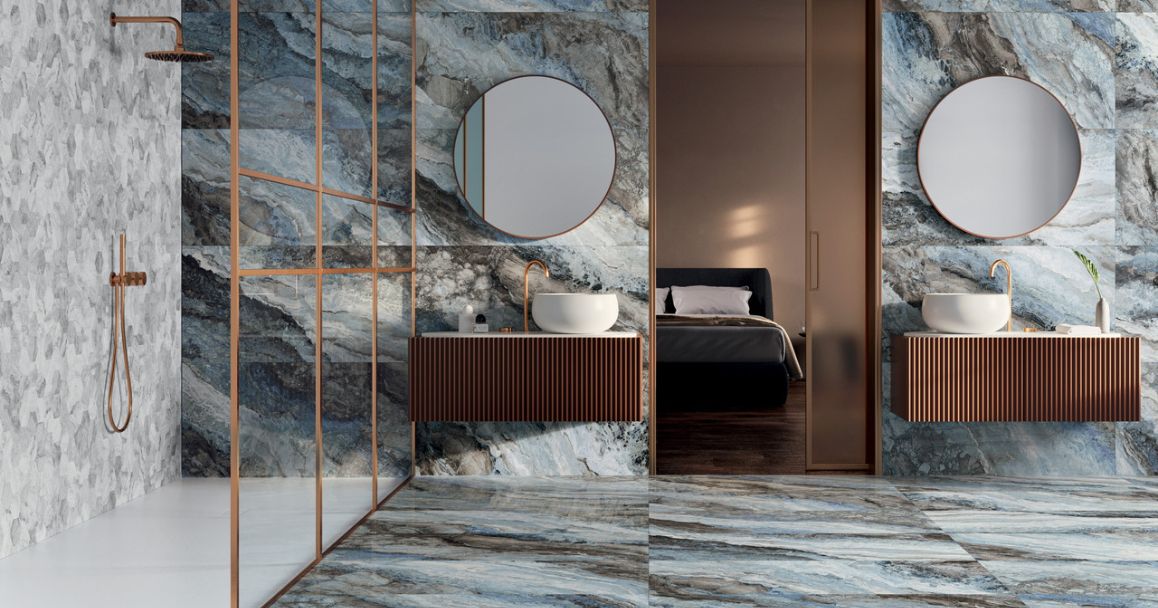
Bathroom tiles can completely change the character of a room without requiring every element to be replaced. The way tiles are positioned, combined and framed can influence how spacious the bathroom feels, where the eye is drawn and how much personality the design has. Even simple tiles can look striking when they are arranged thoughtfully.
Before settling on a design, it can be useful to see different tile styles and combinations in person. Visiting a Fully Fitted Bathroom gives you the opportunity to compare colours, textures, shapes and finishes before deciding which direction suits your space. From classic layouts to more contemporary arrangements, there are plenty of ways to give a bathroom a fresh look.
1. Keep It Classic With a Straight Stack
A straight stack layout is one of the simplest options, with tiles lined up evenly in horizontal and vertical rows. Its clean appearance works particularly well in contemporary bathrooms where you want the furniture and fittings to remain the focus.
This layout can also make a room feel orderly and uncluttered. Pairing simple tiles with contrasting grout can create more definition, while closely matched grout gives the walls a smoother appearance.
2. Try a Traditional Brick Bond
The brick bond layout remains popular because it adds movement without becoming overly decorative. Each row is offset from the one above, creating the familiar appearance of brickwork.
It works particularly well with rectangular tiles and can suit both traditional and modern bathrooms. A subtle tile combined with a contrasting grout can make the pattern more noticeable, while a similar grout colour creates a softer effect.
3. Create a Herringbone Feature
Herringbone can turn an otherwise simple tile into a distinctive design feature. Rectangular tiles are arranged in a zigzag pattern, creating movement across the surface.
Rather than using herringbone across every wall, consider limiting it to one area. A shower wall, basin backdrop or section behind a bath can provide enough visual interest without overwhelming the rest of the room.
For the strongest effect, consider:
- A feature wall: Use the pattern to draw attention to one specific part of the bathroom.
- A contrasting direction: Changing the direction of the herringbone can create a subtle variation in the overall design.
- A restrained colour palette: Keeping the tile colour relatively simple allows the layout itself to become the feature.
4. Use Vertical Tiles to Draw the Eye Upwards
Tiles are usually installed horizontally, but turning rectangular tiles vertically can create a completely different impression. The vertical lines naturally draw the eye upwards, which can make a room feel taller.
This can be particularly useful in bathrooms with low ceilings. It can also give a simple tile a more contemporary appearance without requiring an unusual shape or pattern.
5. Introduce a Border for Definition
A tile border can break up a large tiled area and create a clear visual transition between different sections. It can be used around a shower, at the height of a basin or as a dividing line between two tile styles.
The border doesn’t necessarily need to be highly decorative. A change in tile size, texture or colour can create the same effect while keeping the overall design understated.
6. Combine Large and Small Tiles
Using different tile sizes can add depth and variety to a bathroom. For example, large-format tiles could cover the main walls while smaller tiles are used around a specific feature or on the floor.
The key is to make sure the tiles share something visually, such as a similar colour or complementary tones. Without a connection between the different sizes, the room can start to feel disjointed.
7. Use a Checkerboard Layout
A checkerboard pattern is a simple way to introduce stronger contrast. Traditionally associated with black and white tiles, the idea can also be adapted using softer combinations such as cream and beige or two complementary shades.
This layout tends to make a stronger statement, so it can work well on a bathroom floor while the walls remain relatively simple. If you’re using the pattern on a wall, consider limiting it to one area to keep the design balanced.
8. Frame a Feature Area
Framing can make a particular bathroom feature stand out. A different tile can be used around a mirror, behind a basin or within a shower area, with a surrounding border helping to define the space.
This approach works particularly well when you want to introduce a patterned or textured tile without covering the entire bathroom in it. The main tiles can remain understated while the framed area provides a focal point.
9. Mix Tile Shapes Carefully
Rectangular tiles aren’t your only option. Hexagonal, square and other geometric shapes can bring a different rhythm to the room.
Using an unusual shape doesn’t mean every surface needs to feature it. A geometric tile on the floor or within a shower area can be enough to give the bathroom a distinctive identity.
When mixing shapes, avoid introducing too many competing patterns. Keeping the colours connected can help the different elements feel intentional.
10. Extend the Same Tile Across Surfaces
Using the same or closely related tile across walls and floors can create a sense of continuity. This can be especially effective in smaller bathrooms because fewer visual breaks can make the space feel more cohesive.
Large-format tiles can strengthen this effect by reducing the number of visible grout lines. However, the finish needs to be suitable for the surface where it is being used, particularly when choosing tiles for flooring.
Think About Grout as Part of the Layout
Grout colour deserves attention because it can change how the tile pattern is perceived. A contrasting grout will emphasise the individual shapes and layout, while a closely matched grout will allow the overall surface to appear more seamless.
Grout can also influence the visual scale of a pattern. Strong contrast can make a brick bond or checkerboard design more prominent, whereas a subtle combination can create a calmer appearance.
Balance Pattern With the Rest of the Bathroom
A striking tile layout works best when it has room to breathe. If the walls feature a strong pattern, consider keeping furniture, sanitaryware and accessories relatively simple.
Similarly, a patterned floor can become the main feature while the walls provide a quieter backdrop. This helps prevent the room from feeling visually crowded.
Think about the bathroom as a complete composition rather than choosing each surface independently. The tile layout, colours, lighting and fittings should all contribute to the same overall feeling.
Conclusion
Changing the tile layout can be a surprisingly effective way to refresh a bathroom. You don’t necessarily need unusual materials or complicated patterns. A different arrangement, a carefully chosen feature area or a simple change in direction can give familiar tiles an entirely new appearance.
The most successful approach is to choose a layout that suits the proportions of your bathroom and complements the rest of the design. Whether you prefer a clean stacked arrangement, a traditional brick bond or a more expressive herringbone pattern, thoughtful placement can help create a bathroom that feels fresh, balanced and personal.


