10 Creative House Ideas to Transform Your Home into a Dream Haven

Introduction & Background
Your home is more than just a place to live. It is a reflection of your personality, a sanctuary for relaxation, and a canvas for creativity. Transforming your house into a dream haven does not require a complete overhaul. With a few creative ideas, you can elevate your space to feel uniquely yours. Whether you prefer minimalist elegance, cozy comfort, or bold statements, the right touches can make all the difference. In this article, we explore ten innovative house ideas to inspire your next home transformation.
Concept & Overview
The concept of turning your house into a dream haven revolves around personalization and functionality. It is about blending aesthetics with practicality to create a space that feels both beautiful and livable. The key principles include understanding your lifestyle, identifying your style preferences, and implementing thoughtful design choices. From lighting and color schemes to furniture placement and decor, every element plays a role in shaping your ideal environment. This transformation is not just about visual appeal but also about enhancing comfort and functionality in your daily life.
Key Features & Highlights
- Natural Elements Integration: Incorporate indoor plants, wooden furniture, and stone accents to bring a touch of nature indoors. This not only improves air quality but also creates a calming atmosphere.
- Smart Lighting Solutions: Use layered lighting with dimmers, smart bulbs, and LED strips to set different moods for various times of the day. Adjustable lighting can transform a room from bright and energetic to soft and relaxing.
- Multifunctional Furniture: Opt for furniture pieces that serve multiple purposes, such as sofa beds, storage ottomans, or foldable desks. This maximizes space in smaller homes while adding convenience.
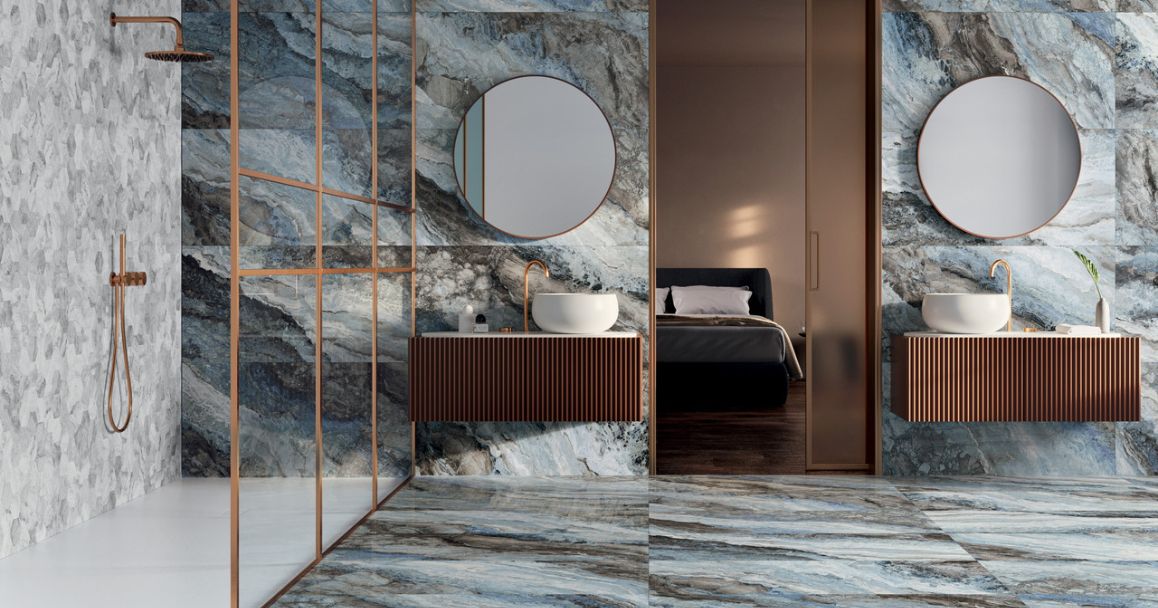
- Statement Walls: Create a focal point with an accent wall using wallpaper, paint, or textured materials like brick or wood paneling. This adds depth and character to any room.
- Open Shelving: Replace traditional cabinets with open shelves in the kitchen or living area. This not only saves space but also allows you to display decorative items and keeps essentials within reach.
- Cozy Textiles: Layer rugs, throws, and cushions to add warmth and texture to your space. Choose fabrics like wool, linen, or velvet for a luxurious feel.
- Artistic Touches: Display artwork, photographs, or DIY projects that resonate with you. Rotate pieces seasonally to keep your space feeling fresh and personal.
- Outdoor Living Extension: Blur the lines between indoor and outdoor spaces by adding a patio, balcony garden, or large windows. This creates an open, airy feel and connects you with nature.
- Personalized Workspaces: Design a dedicated workspace with ergonomic furniture, good lighting, and minimal distractions. Whether it is a home office or a cozy nook, a well-designed workspace boosts productivity.
- Scent & Ambiance: Use candles, essential oil diffusers, or fresh flowers to infuse your home with pleasant scents. The right fragrance can enhance relaxation or energize your space.
Frequently Asked Questions / Pros & Cons
What is the most cost-effective way to transform my home?
One of the most budget-friendly ideas is to rearrange existing furniture and decor. Swapping out throw pillows, repainting a wall, or adding plants can make a significant impact without a large investment. Thrift stores and DIY projects are also great ways to refresh your space affordably.
How can I make a small room feel larger?
Use light colors on walls and floors to create an airy feel. Mirrors can reflect light and give the illusion of more space. Opt for multifunctional furniture and avoid clutter by using hidden storage solutions. Keep window treatments simple and allow natural light to flow freely.
What are the best colors for a calming home environment?
Soft blues, greens, and neutral tones like beige or gray are known for their calming effects. Earthy tones, such as sage green or warm terracotta, also promote relaxation. Consider using these shades in bedrooms or living areas where you want to unwind.
Pros & Cons of Open Floor Plans
Pros: Open floor plans create a sense of spaciousness and allow for better flow between rooms. They encourage social interaction and make it easier to entertain guests. Natural light spreads more evenly, enhancing the overall ambiance.
Cons: Lack of privacy can be an issue, especially in shared living spaces. Noise travels more easily, which may not be ideal for families with young children or those working from home. Defining separate zones with furniture or rugs can help mitigate these challenges.
Is hiring an interior designer worth the investment?
Hiring a professional can save you time and money in the long run by preventing costly mistakes. Designers have access to exclusive resources and can help you achieve a cohesive look. However, if your budget is tight, you can still achieve great results by researching trends and planning carefully on your own.
Practical Guidance & Solutions
Now that you have a clear understanding of the key features and considerations, let us dive into actionable steps to bring your dream haven to life.
Start with a Vision: Begin by creating a mood board or collecting images of spaces you love. Identify common themes, such as color palettes or furniture styles, that resonate with you. This will serve as a guide when making decisions.
Prioritize Functionality: Before focusing on aesthetics, consider how you use each space. For example, if you work from home, ensure your workspace is ergonomic and well-lit. If you love cooking, invest in quality kitchen tools and storage solutions.
Focus on Lighting: Lighting can make or break a room. Layer different types of lighting, such as ambient, task, and accent lighting, to create depth. Use warm tones for cozy spaces and cooler tones for areas where you need focus.
Incorporate Personal Touches: Your home should tell your story. Display items that hold sentimental value, such as family heirlooms, travel souvenirs, or handmade crafts. These pieces add character and make your space uniquely yours.
Experiment with Layouts: Do not be afraid to rearrange furniture or try unconventional layouts. Sometimes, moving a sofa or adding a rug can completely transform the feel of a room. Use painter’s tape to map out changes before committing.
Invest in Quality Basics: While trends come and go, investing in timeless pieces like a good mattress, durable sofa, or sturdy dining table will pay off in the long run. These items form the foundation of your home and should be both comfortable and functional.
Keep It Clutter-Free: Clutter can make even the most beautiful space feel chaotic. Implement storage solutions like baskets, shelves, or under-bed storage to keep surfaces clear. Regularly declutter to maintain a peaceful environment.
Conclusion
Transforming your home into a dream haven is an exciting journey that blends creativity with practicality. By incorporating natural elements, smart lighting, multifunctional furniture, and personal touches, you can create a space that feels uniquely yours. Remember, the goal is not perfection but authenticity. Every small change adds up, and the process itself can be incredibly rewarding. Whether you are starting with a blank slate or refreshing an existing space, let your imagination guide you. Embrace the journey, and soon, your home will become the sanctuary you have always envisioned.