50 Creative House Design Ideas to Transform Your Space

Introduction & Background
Transforming your home into a space that reflects your personality, meets your needs, and sparks joy is one of the most rewarding projects you can undertake. Whether you are moving into a new house or looking to refresh your current living environment, creative house design ideas can make a significant difference. The right design choices not only enhance aesthetics but also improve functionality and comfort. With the rise of minimalism, sustainable living, and smart home technology, homeowners today have more options than ever before to customize their spaces. This guide explores 50 innovative house design ideas that will help you elevate your home, blending creativity with practicality to create a space you truly love.
Concept & Overview
Creative house design is about reimagining your living space to align with your lifestyle, values, and aspirations. It goes beyond mere decoration to focus on how each element works together to create harmony, efficiency, and beauty. At its core, creative design encourages thinking outside the box, whether through the use of unconventional materials, smart space utilization, or personalized touches that tell your unique story. The key principles include functionality, sustainability, personalization, and adaptability. By incorporating these principles, you can transform even the most ordinary spaces into extraordinary ones that inspire and energize you every day.
Key Features & Highlights
- Open Floor Plans: Knock down walls to create a spacious, airy flow between living areas, kitchen, and dining spaces. This design fosters connectivity and makes rooms appear larger.
- Multi-Functional Furniture: Invest in pieces that serve multiple purposes, such as sofa beds, storage ottomans, and extendable dining tables. These items save space while adding convenience.
- Natural Light Maximization: Use large windows, skylights, and glass doors to flood your home with natural light. This reduces energy costs and creates a warm, inviting atmosphere.
- Indoor Plants: Incorporate greenery through houseplants or vertical gardens to bring nature indoors. Plants improve air quality and add a refreshing touch to any room.
- Statement Ceilings: Elevate your design with bold ceiling treatments like coffered ceilings, wooden beams, or painted murals. This draws the eye upward and adds depth to the room.
- Sustainable Materials: Opt for eco-friendly materials such as reclaimed wood, bamboo, recycled glass, or cork. These choices reduce environmental impact and add a unique texture to your home.
- Smart Home Integration: Install smart lighting, thermostats, security systems, and voice assistants to enhance convenience and energy efficiency. Technology can simplify daily routines and improve security.
- Color Psychology: Choose colors based on the mood you want to create. Soft blues promote calmness, warm yellows evoke happiness, and earthy tones bring a sense of grounding.
- Minimalist Decor: Keep clutter at bay with clean lines, neutral tones, and simple decor. Minimalism creates a serene environment that feels spacious and orderly.
- Art and Gallery Walls: Showcase your favorite artworks or photographs on a dedicated gallery wall. This personalizes your space and serves as a conversation starter.
- Textured Walls: Use wallpaper, wood paneling, or textured paint to add depth and character to your walls. Texture creates visual interest and warmth.
- Zoned Living Areas: Define different areas within an open space using rugs, lighting, or furniture arrangements. This helps organize the space while maintaining an open feel.
- Built-In Storage: Custom built-ins for books, kitchenware, or shoes keep your home tidy and maximize storage without sacrificing style.
- Biophilic Design: Integrate natural elements like water features, stone accents, or organic shapes to create a connection with the outdoors. This design approach boosts well-being.
- Bold Wall Colors: Use deep jewel tones or bright hues on an accent wall to create a focal point. This adds drama and personality to your room.
- Glass Room Dividers: Separate spaces without closing them off using glass partitions or sliding doors. This maintains an open feel while defining different zones.
- Outdoor Living Spaces: Extend your living area with a cozy patio, balcony garden, or rooftop terrace. Outdoor spaces become extensions of your indoor living area.
- Under-Stair Storage: Utilize the often-wasted space under stairs for drawers, shelves, or a cozy reading nook. This maximizes every inch of your home.
- Metallic Accents: Incorporate gold, silver, or brass finishes in light fixtures, hardware, or decor to add a touch of luxury and sophistication.
- Floating Shelves: Install floating shelves in kitchens, bathrooms, or living rooms for stylish storage that keeps items accessible yet organized.
- Vintage and Antique Pieces: Mix old and new by incorporating vintage furniture or decor. This adds character and tells a story through your space.
- Geometric Patterns: Use geometric shapes in tiles, rugs, or wall art for a modern and dynamic look. Patterns can energize a room and create visual flow.
- High-Contrast Lighting: Layer different types of lighting, such as ambient, task, and accent lighting, to create depth and highlight key areas.
- Hidden Storage: Choose furniture with hidden compartments or utilize hidden drawers to keep clutter out of sight while maintaining a clean aesthetic.
- Curved Furniture: Opt for rounded sofas, arched doorways, or circular coffee tables to soften the lines in your space and create a welcoming flow.
- Japanese Zen Elements: Bring tranquility with tatami mats, shoji screens, or a small indoor garden. These elements promote relaxation and mindfulness.
- Maximalist Decor: For those who love boldness, maximalist design embraces vibrant colors, patterns, and a mix of textures for a rich, layered look.
- Home Office Nooks: Create a productive workspace in a corner, under the stairs, or in a walk-in closet. A dedicated office area boosts focus and efficiency.
- Skylights and Light Tunnels: Bring in natural light to dark areas with skylights or light tunnels. This brightens up spaces without the need for electrical lighting.
- Textile Layering: Combine rugs, throw pillows, and blankets in different textures and patterns to add warmth and comfort to your seating areas.
- Mirror Magic: Use mirrors strategically to reflect light and create the illusion of a larger space. Full-length mirrors and mirrored furniture add elegance.
- Vertical Gardens: Grow herbs, flowers, or small plants on vertical panels or hanging planters to save floor space and bring life to bare walls.
- Minimalist Kitchens: Opt for handleless cabinets, integrated appliances, and sleek countertops for a clean, modern kitchen that is both functional and stylish.
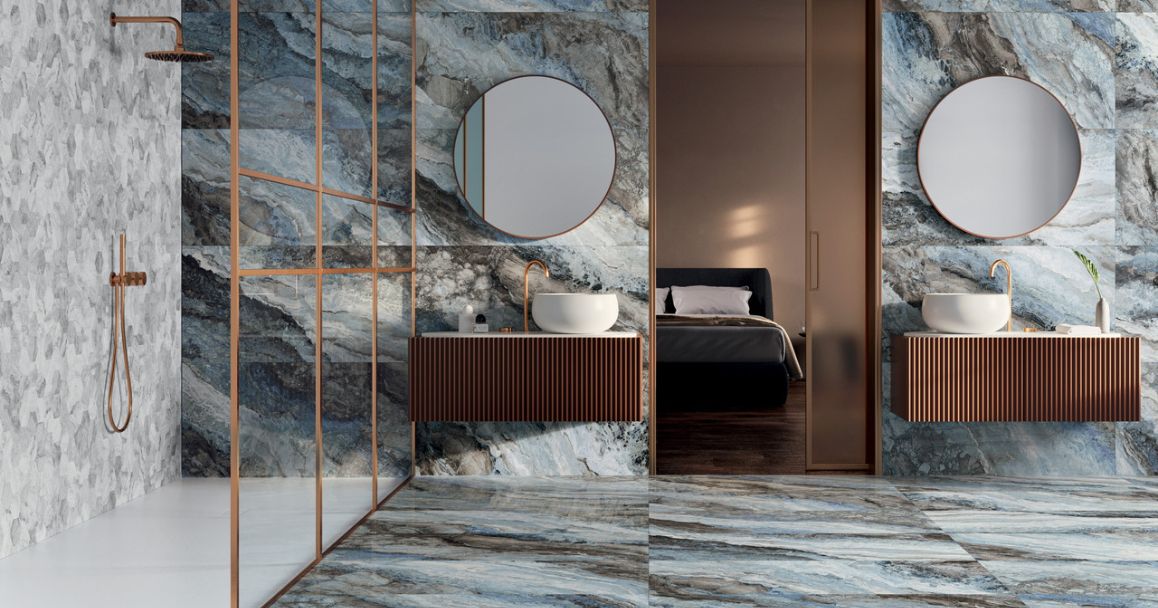
- Bathroom Retreats: Transform your bathroom into a spa-like sanctuary with freestanding tubs, rainfall showers, and plush towels. Soft lighting adds to the relaxing ambiance.
- Bold Tile Patterns: Use patterned tiles in kitchens, bathrooms, or entryways to make a statement. Moroccan, hexagonal, or subway tiles add visual interest.
- Cozy Reading Corners: Dedicate a quiet corner with a comfortable chair, good lighting, and a bookshelf for a perfect reading escape.
- Indoor Fireplaces: Install a modern electric or gas fireplace in your living room or bedroom for warmth and ambiance without the mess of wood-burning options.
- Automatic Window Treatments: Motorized blinds or curtains add convenience and style. They can be controlled remotely or scheduled to open and close at set times.
- Playful Kids’ Rooms: Use chalkboard paint, themed wall decals, or loft beds to create a fun and functional space that grows with your child.
- Pet-Friendly Designs: Choose durable, easy-to-clean materials and create designated pet areas with cozy beds and feeding stations.
- Bar and Lounge Areas: Design a home bar or lounge area with a stylish counter, bar stools, and ambient lighting for entertaining guests in style.
- Home Gyms: Dedicate a space for fitness equipment and mirrors to create a personal gym that encourages a healthy lifestyle without leaving home.
- Sunrooms: Add a sunroom or enclosed porch to enjoy natural light and outdoor views year-round, creating a perfect relaxation spot.
- Storage Benches: Use benches with built-in storage in entryways or bedrooms to provide seating while keeping shoes, blankets, or toys neatly tucked away.
- Bold Front Doors: Make a statement with a brightly colored or patterned front door that reflects your personality and welcomes guests.
- Outdoor Kitchens: Extend your cooking space outdoors with a grill, sink, and countertop for grilling and entertaining during warm weather.
- Childproofing with Style: Incorporate stylish safety features like soft-close cabinets, rounded furniture edges, and secure shelving to keep kids safe without sacrificing design.
- Home Libraries: Create a dedicated reading room with floor-to-ceiling bookshelves and a comfortable seating area for avid readers.
Frequently Asked Questions / Pros & Cons
What are the benefits of open floor plans?
Open floor plans create a sense of spaciousness and promote social interaction by allowing family members and guests to move freely between areas. They also make it easier to supervise children and host gatherings, and they allow natural light to flow throughout the home, reducing the need for artificial lighting.
Are smart home features expensive to install?
While the initial cost of smart home devices can be higher than traditional options, they often save money in the long run by reducing energy consumption and providing convenience. Many systems are scalable, so you can start with a few devices and expand over time.
How can I make a small space feel larger?
Use light colors on walls, incorporate mirrors to reflect light, and choose multi-functional furniture. Declutter regularly and use vertical storage to keep floors clear. Lighting also plays a crucial role, so opt for bright, natural light wherever possible.
Is sustainable design more expensive?
While some sustainable materials or technologies may have a higher upfront cost, they often pay off over time through energy savings, durability, and reduced maintenance. Additionally, many eco-friendly options are becoming more affordable as demand increases.
Can I mix different design styles in one home?
Absolutely. Eclectic design allows you to blend styles for a personalized look. The key is to find a unifying element, such as a color palette or material, to tie the spaces together. Balance is important, so avoid overcrowding one area with too many contrasting styles.
What is the best lighting for a home office?
A combination of ambient lighting, task lighting, and accent lighting works best. A desk lamp with adjustable brightness provides focused light for work, while overhead lights or natural light reduce eye strain. Consider LED bulbs for energy efficiency and a cooler tone to enhance concentration.
How do I choose the right color scheme for my home?
Start by considering the mood you want to create in each room. Warm tones like reds and oranges promote energy, while cool tones like blues and greens create calmness. Use a color wheel to find complementary or analogous colors, and test paint samples in different lighting conditions before committing.
Are open shelving kitchens practical?
Open shelving can make a kitchen feel more spacious and allows you to display beautiful dishware or glassware. However, they require regular cleaning and organization to prevent clutter from becoming visually overwhelming. Closed cabinets may be better for dusty or less visually appealing items.
What are the downsides of maximalist design?
Maximalist design can feel overwhelming if not balanced properly. It may require more maintenance to keep spaces tidy, and too many patterns or colors can create visual chaos. To avoid this, limit bold elements to specific areas and use neutral tones as a base.
The advantage, however, is that maximalist spaces are highly personalized and can be incredibly vibrant and full of character.
Practical Guidance & Solutions
Transforming your home with creative design ideas is an exciting journey, but it requires thoughtful planning and execution. Start by assessing your space and identifying areas that need improvement. Consider your lifestyle and how you use each room to determine which ideas will work best for you. For small spaces, prioritize multi-functional furniture and vertical storage to maximize every inch. If you love hosting, focus on open layouts and comfortable seating areas that encourage conversation.
When choosing materials and colors, think about durability and maintenance. High-traffic areas like kitchens and bathrooms benefit from easy-to-clean surfaces, while living rooms can handle more delicate fabrics and decor. Don’t be afraid to experiment with samples before committing to large purchases or permanent changes. Paint swatches, fabric swatches, and small decor items can help you visualize the final look.
For those on a budget, start with small updates like painting an accent wall, rearranging furniture, or adding new lighting. These changes can make a big impact without a large investment. If you’re tackling a major renovation, create a detailed plan and set a realistic timeline to avoid stress. Consider consulting with a designer or architect to ensure your vision is both beautiful and functional.
Finally, remember that your home should evolve with you. Don’t be afraid to update or refresh your space as your tastes and needs change. Whether it’s swapping out decor, rearranging furniture, or embracing a new design trend, small changes can keep your home feeling fresh and inspiring for years to come.
Conclusion
Your home is more than just a place to live; it’s a reflection of who you are and a sanctuary where you recharge. By incorporating these 50 creative house design ideas, you can transform your space into a personalized haven that balances beauty, functionality, and comfort. From open layouts and sustainable materials to smart technology and cozy nooks, there are endless possibilities to make your house truly feel like home. The key is to blend creativity with practicality, ensuring your design choices align with your lifestyle and bring you joy every day. Start small or dive into a full renovation, but remember, the best homes are those that grow and adapt with you. Embrace the process, trust your instincts, and enjoy the journey of creating a space that is uniquely yours.